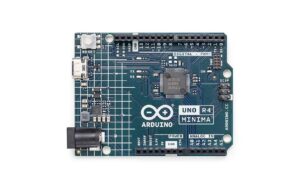
Arduino Uno Rev3. DIP Version ATmega328, 16Mhz, USB, SPI, ICSP, I²C
Nur noch 4 Stück an Lager
Arduino Uno R3 DIP Edition – Entwicklerboard mit ATmega328 Prozessor (16Mhz) und USB-Anschluss, kompatibel mit Arduino Uno. Ideal für Projekte im Bereich der Elektronik-DIY-Community.
28.13 CHF Inkl. MwSt.
Nur noch 4 Stück an Lager
📈 PreisentwicklungPreis stabil (30 Tage)Details ▾
Positioning and Market Overview
The Arduino Uno Rev3 DIP Version is a versatile microcontroller board based on the ATmega328P microchip, designed for developers and makers who seek an easy-to-use and highly compatible platform. This board stands out in the market by offering a simple yet powerful solution for various projects, from beginners’ experiments to complex applications.
Key Features Detailed
ATmega328P Microcontroller:
The heart of the Arduino Uno Rev3 DIP Version is the ATmega328P microcontroller, which boasts a clock speed of 16MHz. This processor ensures smooth and efficient operation of your projects, making it an ideal choice for a wide range of applications.
GPIO Pins:
The board offers numerous General Purpose Input/Output (GPIO) pins, allowing users to connect various sensors, actuators, and other electronic components. These pins enable a vast array of possibilities for your projects.
USB 2.0:
The USB 2.0 interface enables easy connection with your computer, allowing you to upload code, monitor serial data, and power the board directly from a USB port. This feature simplifies the development process and makes it more accessible for beginners.
Applications & Use Cases
Home Automation:
Control lights, appliances, and security systems with ease using the Arduino Uno Rev3 DIP Version. Its compatibility with a wide range of sensors makes it perfect for creating custom home automation solutions.
Art Installations:
Integrate this board into your creative projects, such as interactive art installations or musical instruments, to bring your ideas to life and captivate your audience.
Target Groups & Their Benefits
AV Technicians:
AV technicians can leverage the Arduino Uno Rev3 DIP Version to create custom control systems for audiovisual equipment, enhancing user experience and streamlining operations.
Integrators:
System integrators can use this board as a building block in their projects, combining it with other components to create sophisticated solutions for various industries.
IT Managers:
IT managers can utilize the Arduino Uno Rev3 DIP Version to develop custom monitoring and control systems for their networks and infrastructure, improving efficiency and reducing downtime.
Technical Highlights
Compatibility:
The Arduino Uno Rev3 DIP Version is fully compatible with the vast Arduino ecosystem, offering a wealth of libraries, tutorials, and community support to help you get started and tackle more complex projects.
Open-Source Software:
The board comes with the open-source Arduino Integrated Development Environment (IDE), allowing users to write, upload, and debug code easily. This openness fosters creativity and encourages experimentation.
| Allgemeine Daten | |
|---|---|
| Produkt | Arduino Uno Rev3. DIP Version ATmega328, 16Mhz, USB, SPI, ICSP, I²C |
| Hersteller | Arduino |
| Technische Spezifikationen | |
| Prozessorfamilie | ATmega |
| Entwicklerboard Serie | Arduino Uno kompatibel |
| Anzahl Prozessorkerne | 1 |
| Integrierte Grafik | Nein |
| Schnittstellen | GPIO, USB 2.0 |
| Anschlüsse & Schnittstellen | |
| Leistungsdaten | |
| Physikalische Eigenschaften | |
| Umgebungsbedingungen | |
| Lieferumfang | |
Tipps und Hinweise für AV-Techniker für das Produkt Arduino Uno Rev3
Zielgruppen und Einsatzgebiete
- Dieses Produkt ist ideal für AV-Techniker, die in der Entwicklung und Programmierung von elektronischen Projekten tätig sind.
- Es wird häufig bei Schülerprojekten, Maker-Projekten und hobbyistischen Anwendungen verwendet.
Installation und Setup
- Installieren Sie die Arduino Integrated Development Environment (IDE) auf Ihren Computer.
- Verbinden Sie das Board mit dem Computer über den USB-Anschluss und starten Sie die IDE.
- Wählen Sie im Menü der IDE "Tools" -> "Board" und wählen Sie "Arduino Uno" aus.
- Wählen Sie im Menü der IDE "Tools" -> "Port" und wählen Sie den entsprechenden USB-Port aus, an dem das Board verbunden ist.
Best Practices und Anwendungstipps
- Stellen Sie sicher, dass das Board mit der richtigen Versorgungsspannung versorgt wird (5V oder 7-12V).
- Testen Sie die Verbindungen vor dem Einbau in Ihre Projekte.
- Verwenden Sie beim Programmieren den Arduino Code Editor, um Fehler zu vermeiden.
Kompatibilität und Integration
- Das Arduino Uno ist kompatibel mit den meisten AVR-basierten Schaltungen.
- Es unterstützt die Schnittstellen GPIO, USB 2.0 und kann über SPI und I²C kommunizieren.
Zubehör-Empfehlungen
- Ein Breadboard für das Prototyping von Schaltungen.
- Sensoren und Aktuatoren, um die Funktionalität des Boards zu erweitern.
- Ein LCD-Display oder OLED-Display, um Daten anzeigen zu können.
Häufige Probleme und Lösungen
- Fehlermeldung beim Verbinden des Boards: Stellen Sie sicher, dass das Board korrekt verbunden ist und dass die IDE mit dem richtigen Port arbeitet.
- Bootloop oder unerwartete Verhalten: Überprüfen Sie Ihren Code und stellen Sie sicher, dass er korrekt geschrieben wurde.
Passendes Zubehör 12
Weiteres Zubehör Mainboards 12
-
-6%Computing & Software, Mainboards, PC-Komponenten, Weiteres Zubehör Mainboards
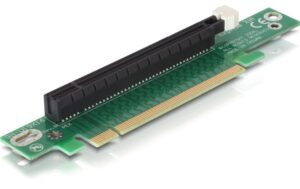
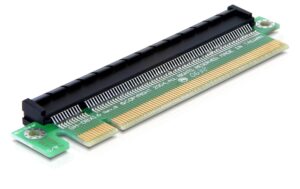
Delock PCI-Express Riserkarte, x16 zu x16 benötigt freien PCI-Express x16 Slot
 Computing & Software, Mainboards, PC-Komponenten, Weiteres Zubehör Mainboards
Delock PCI-Express Riserkarte, x16 zu x16 benötigt freien PCI-Express x16 Slot
Delock PCIe x16 Riser Card (89093) – Erweitere Ihr professionelles System mit flexibler und leistungsstarker PCIe x16-Verbindung. Ideal für Systembauer und AV-Techniker.
SKU: 616849